Version 1 — Auth
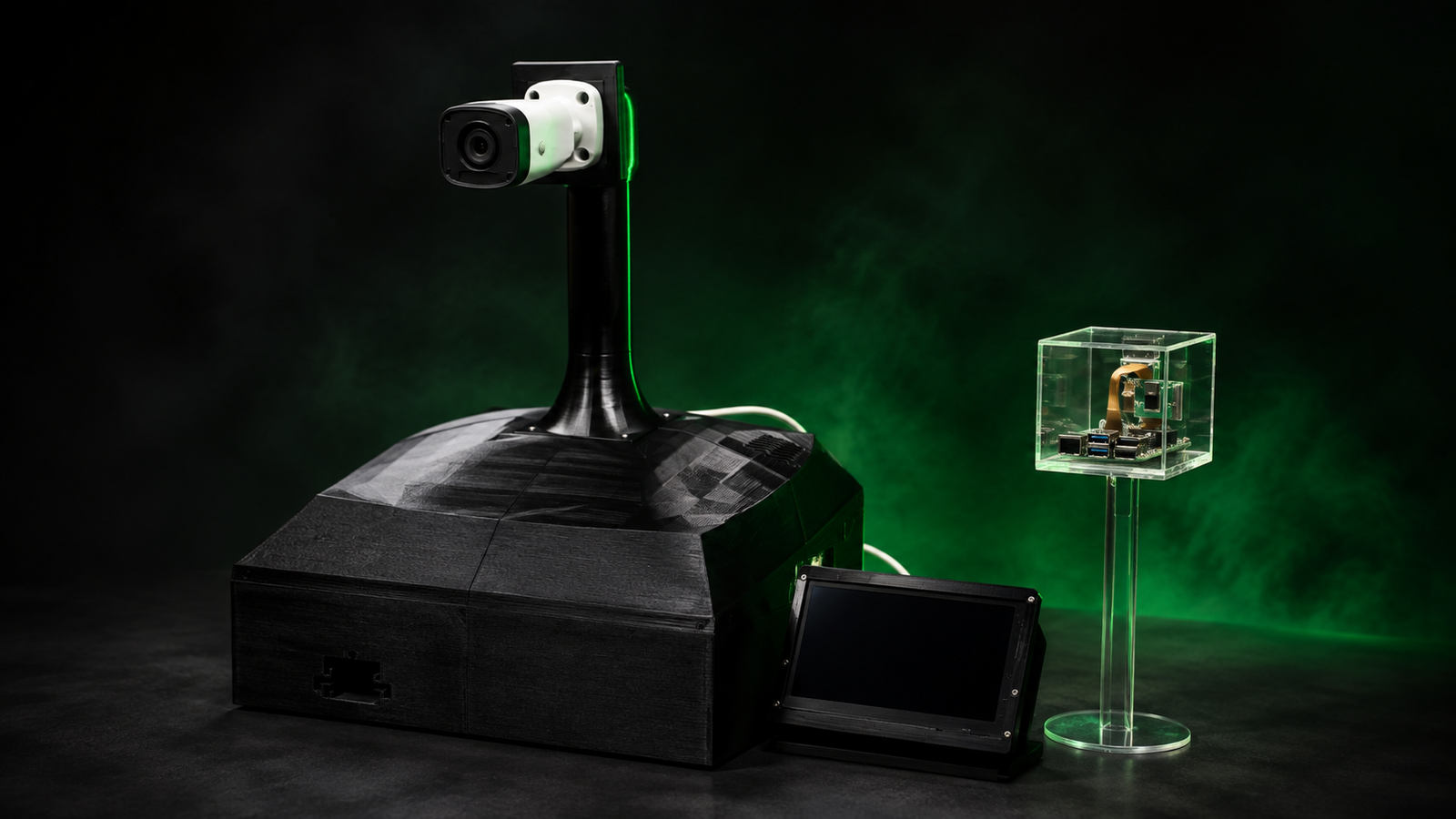
Raspberry Pi, IP camera, and LCD for real-time face recognition and license-plate identification against authorized vehicle records.
Graduation Project · 2026
DVD
Edge AI that verifies who is behind the wheel — and watches the road for danger.
Purpose
The camera sees a face and a plate. The edge stack reads plate text locally, extracts a face embedding on the server, and decides: verified match, face-only match, or a clear violation — with images, confidence, and GPS when available. A second Pi path watches for accidents, potholes, and violence.
System
Raspberry Pi, IP camera, and LCD for real-time face recognition and license-plate identification against authorized vehicle records.
Dual camera modules plus GSM/GPS for in-cabin monitoring, threat detection, and owner alerts with vehicle location.
512-D embeddings, plate compare, multi-driver plates, JWT roles, MongoDB database dvd.
Local 7″ touch UI plus web dashboard — live violations, evidence, trips, map, and Email/Telegram alerts.
Capabilities
Face match against driver_faces. Full match or face_only when plate text is empty and PLATE_STRICT=false.
No server EasyOCR. Plate YOLO → Char YOLO → CNN OCR on device; server cleans and compares.
wrong_driver, wrong_plate_owner, no_face_detected, no_plate_detected — with decision metadata.
Accident, pothole, violence events with image, confidence, device id, and map coordinates.
Person registration (photo / JSON / manual embedding), trip log, audit log, access requests.
Email and Telegram on serious violations and high-confidence road alerts.
Architecture
Collections include users, persons, driver_faces, checks, violations, incidents, devices, vehicles, and audit_logs — served through a JWT-protected dashboard with public Pi endpoints for check-driver, incidents, and heartbeat.
Hardware
Modular embedded stack from the graduation design — processing, vision, comms, storage, HMI, and emergency input.
Compute
Main processing unit for vision pipelines, peripherals, and software logic. Quad-core Cortex-A76 up to 2.4 GHz, 16 GB LPDDR4X, Wi-Fi/Bluetooth, Gigabit Ethernet, 40-pin GPIO.
IP camera
2MP Mini Fixed Bullet for surroundings and plates. 1080p@30 fps, 4.0 mm lens, Smart IR to 30 m, H.265/H.264, PoE, IP67, RTSP streaming to the Pi.
CSI camera
OV5647 module on CSI for driver face and plate frames — primary visual input for detection, identification, and verification.
Comms + GPS
Quad-band GSM/GPRS with integrated GPS over UART. Sends SMS/location alerts on unauthorized use and supports real-time vehicle tracking.
Storage
microSDXC UHS-I (up to 140 MB/s) for OS, models, captured images, and configuration on continuous edge workloads.
Power
USB-C 5 V / 5 A (~27 W) regulated supply for stable capture and inference with cameras and modules attached.
HMI
1024×600 capacitive display (up to 5-point touch) for local real-time violation output; pairs with the remote web dashboard for logs and evidence.
Emergency
GPIO momentary switch that pulls GPS location and posts it to the web platform for accidents, medical, or security emergencies.
Auxiliary
Cooling fan for sustained Pi load; camera housing for mechanical protection and stable optical alignment.
Evaluated, not adopted
T-A7608SA-H (ESP32 + 4G/GPS) — capable, but costlier than SIM808; ESP32 unused with Pi as host. STEVAL-ASTRA1B — strong AI/IoT candidate, unavailable in the Egyptian market during build.
Edge intelligence
Recognition
Real awards tied to this graduation project — no invented wins.
2026
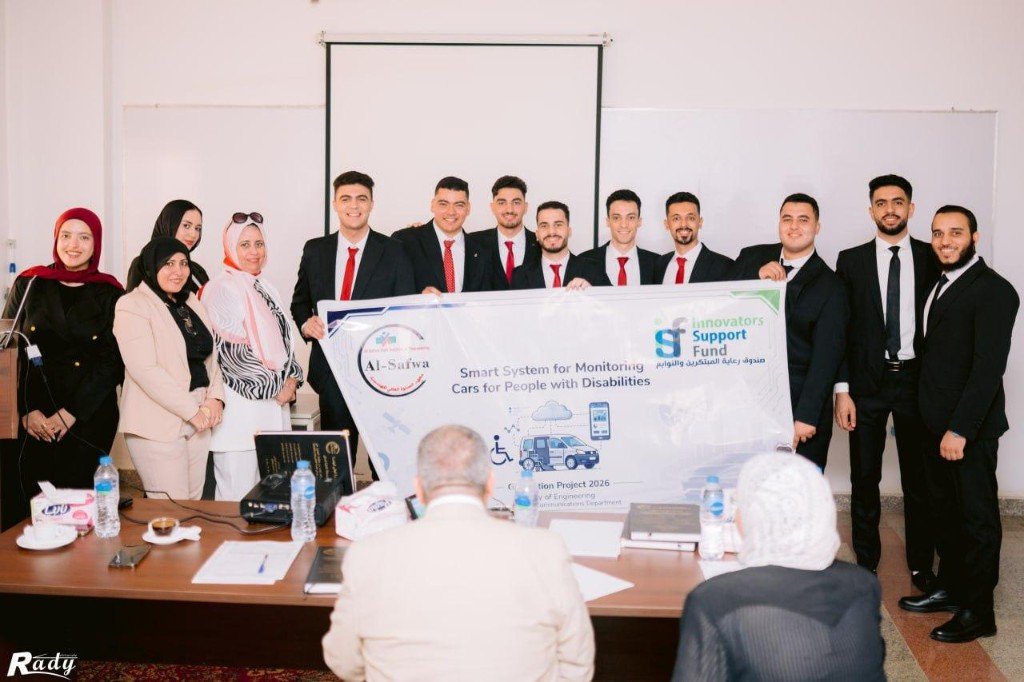
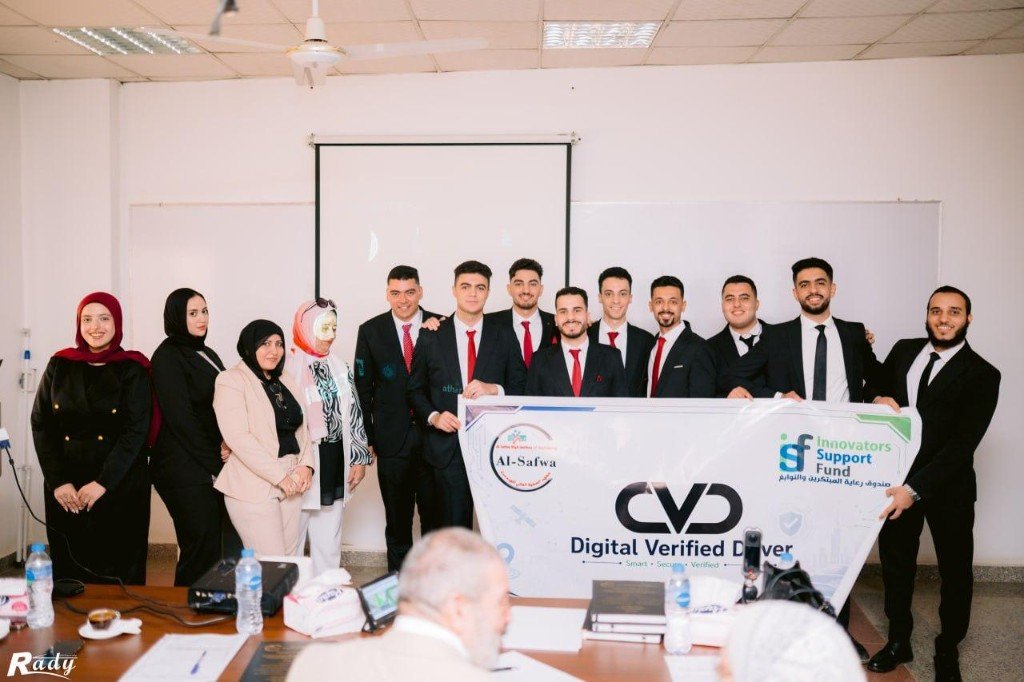
Hardware grant to build the Digital Verified Driver prototype.
2026
Selected for technical support to develop an advanced AI/IoT system.
2026
Innovators Care Fund financial funding for the graduation project.
Dec 2025
Athar Accelerator & Plan International Egypt — product concept under mentorship.
Product
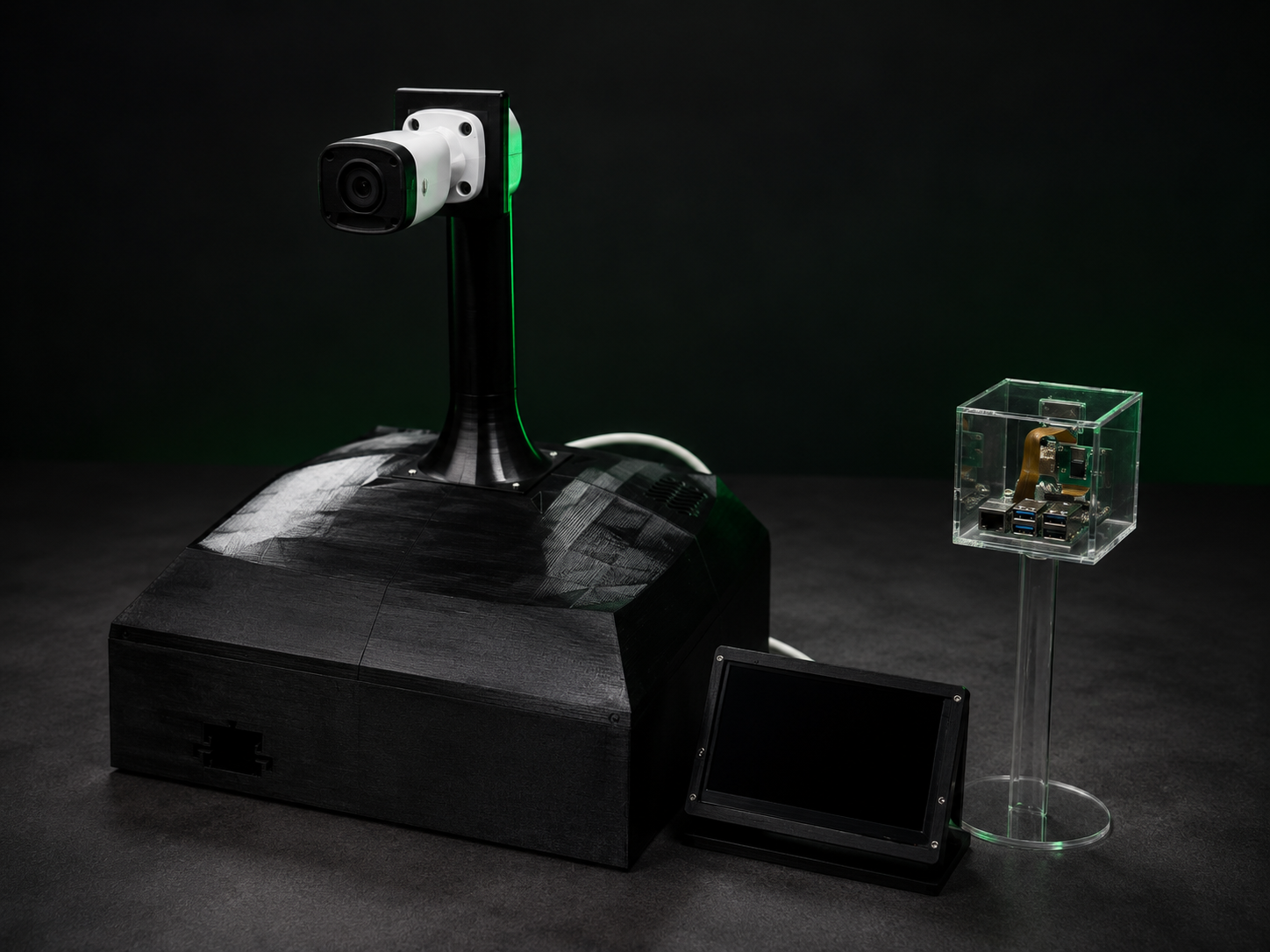
Build journal
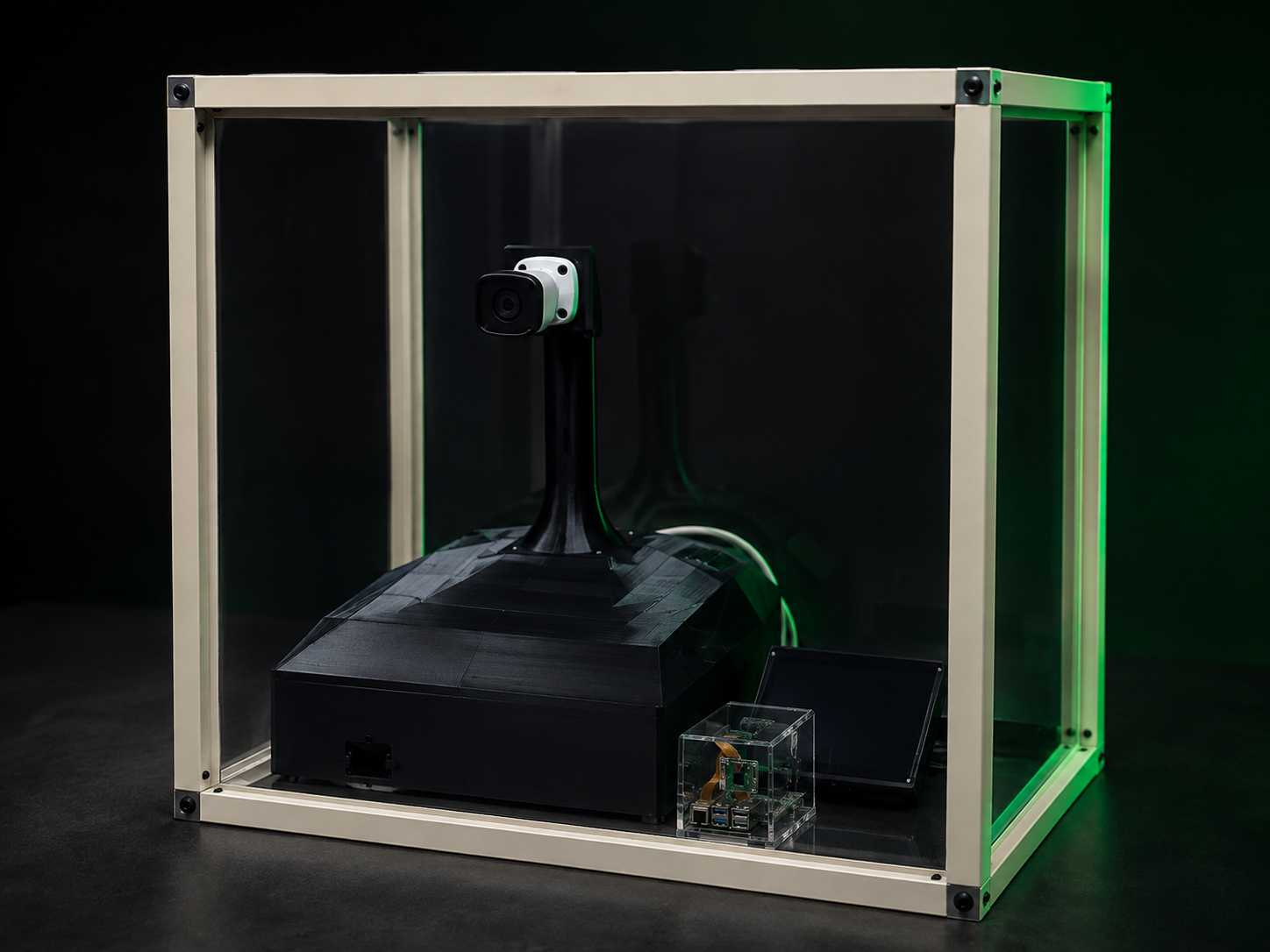
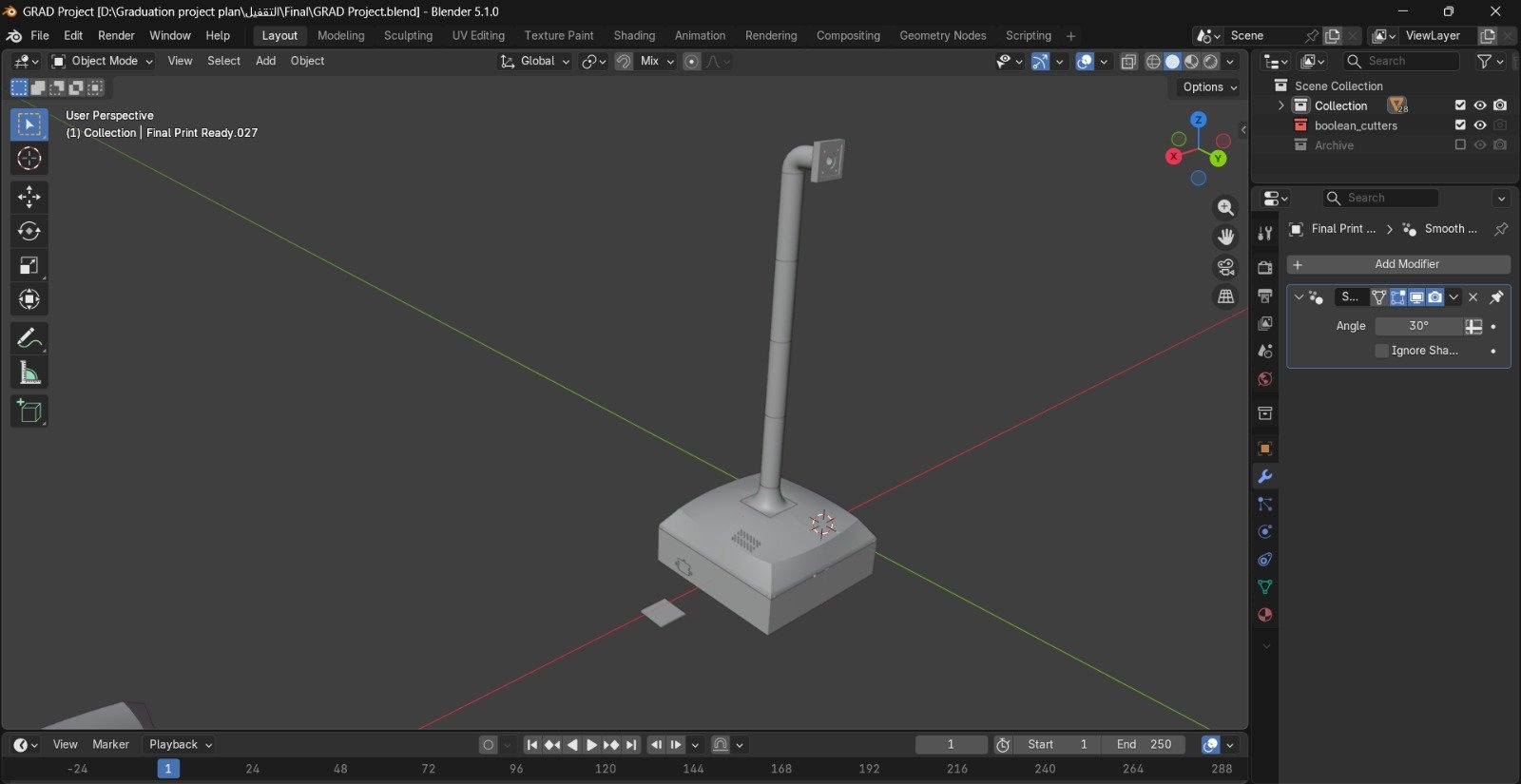
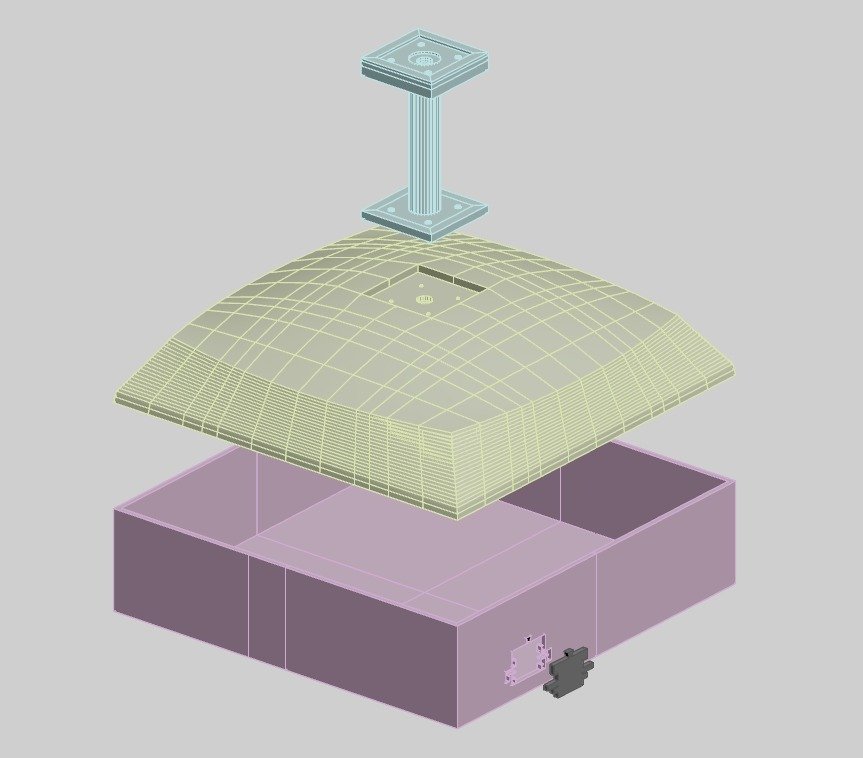
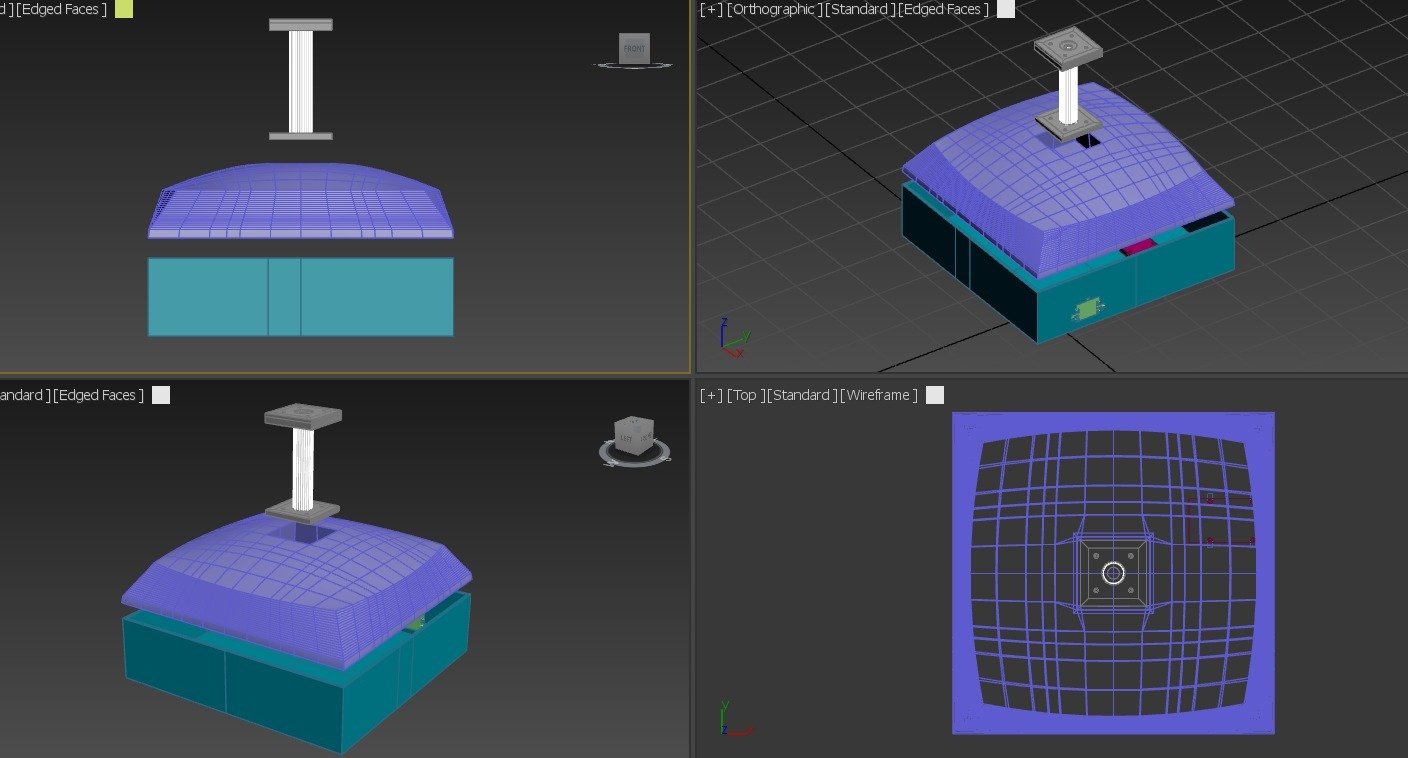
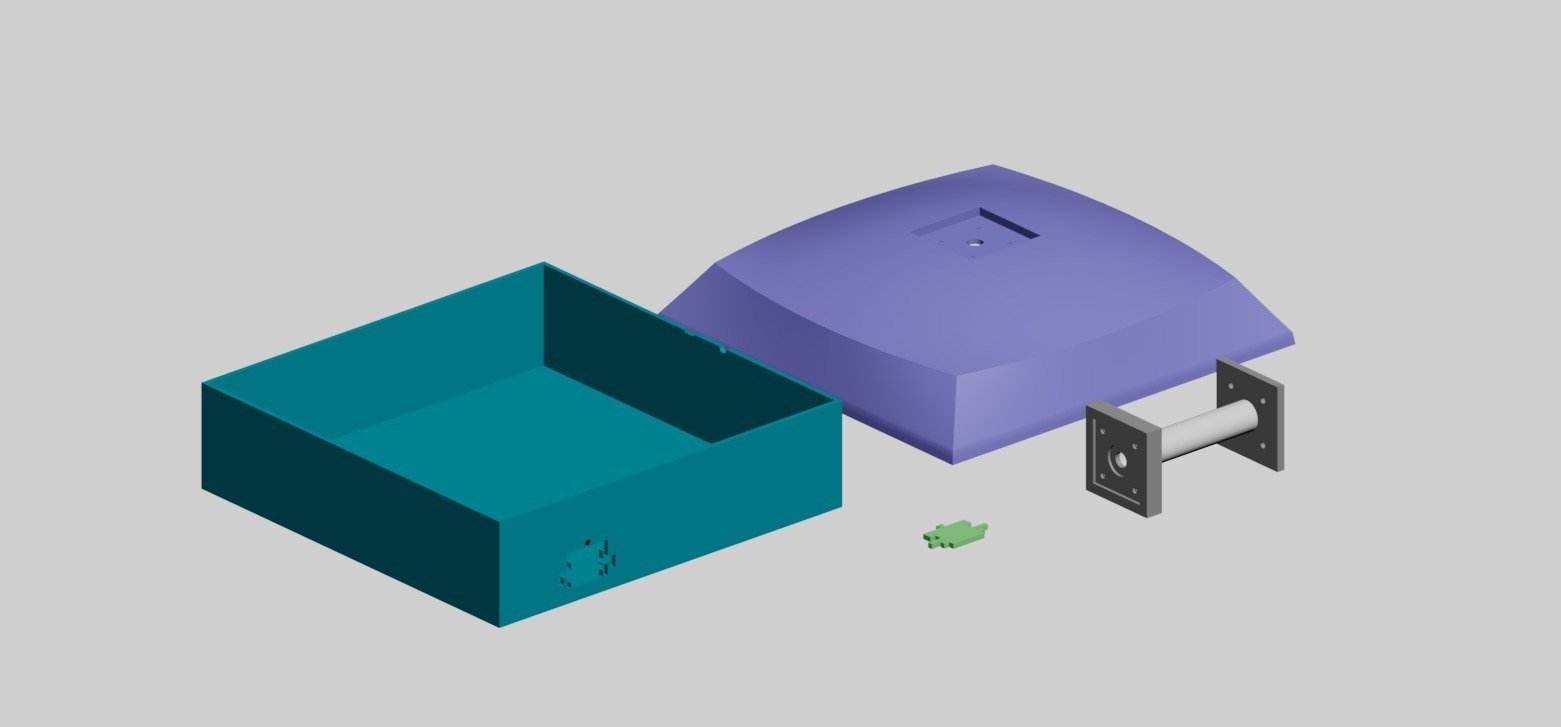
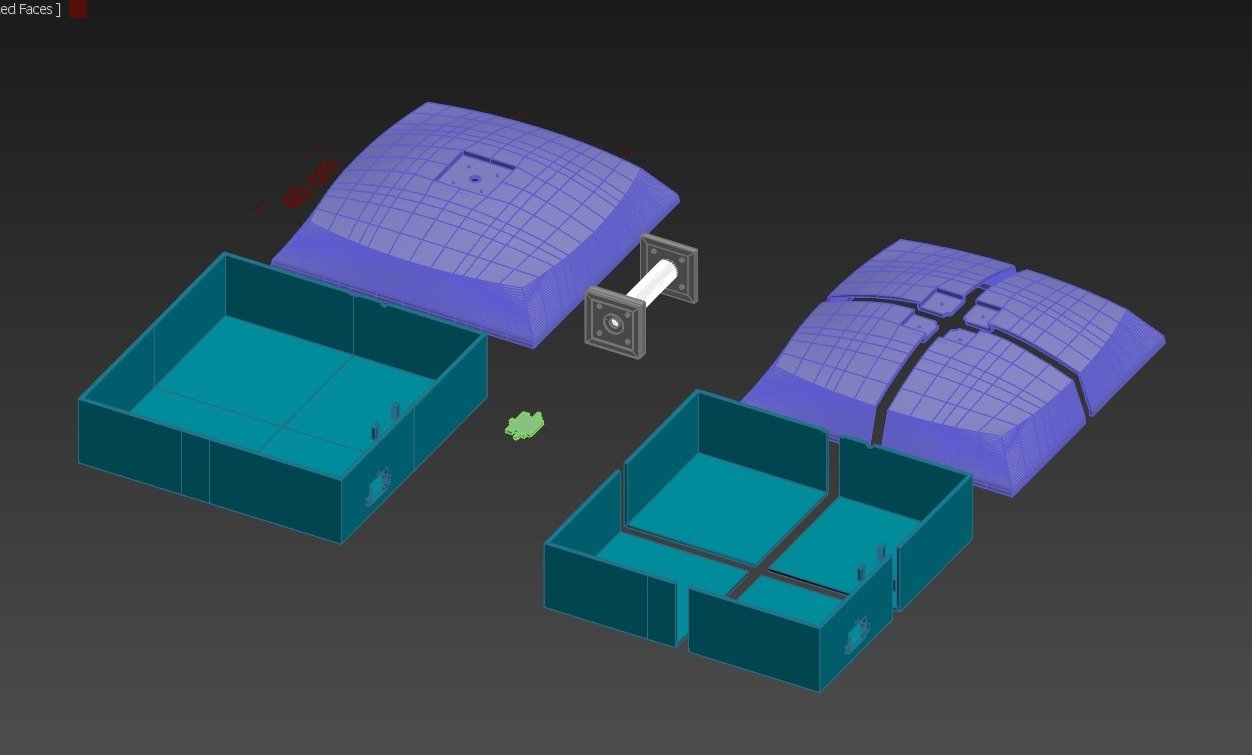
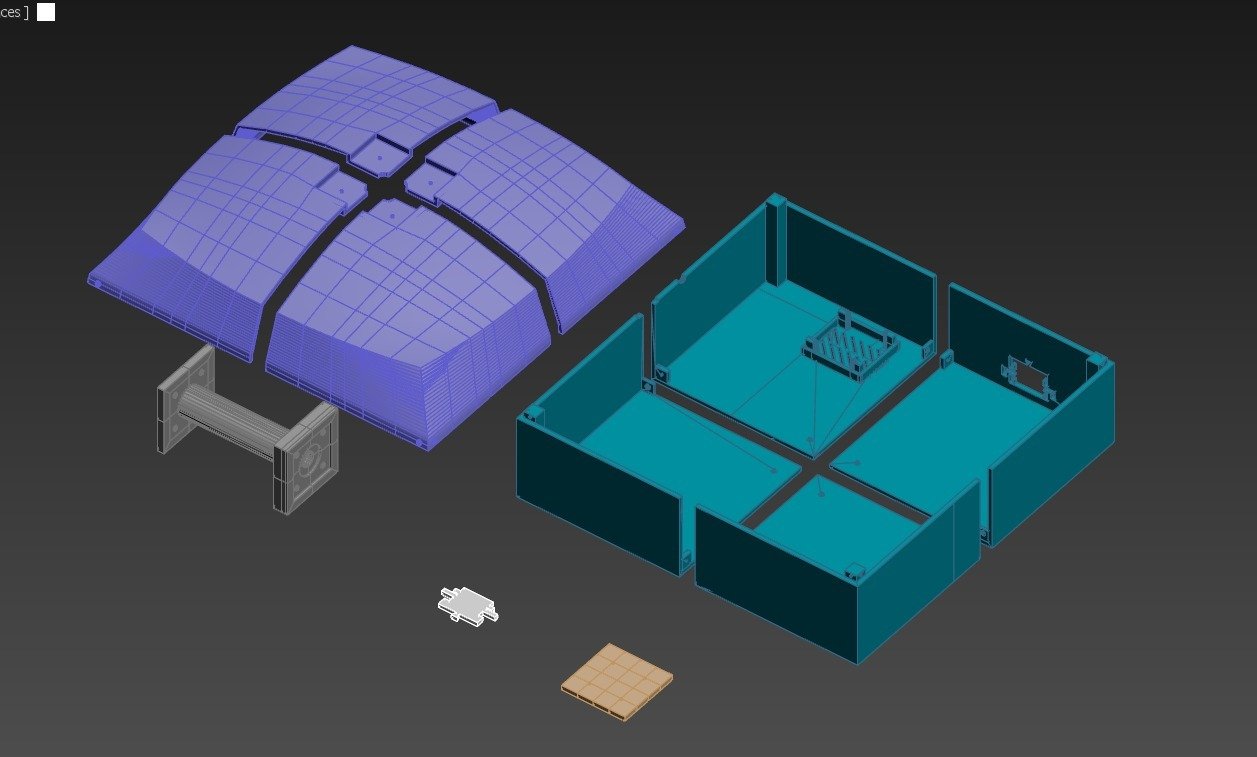
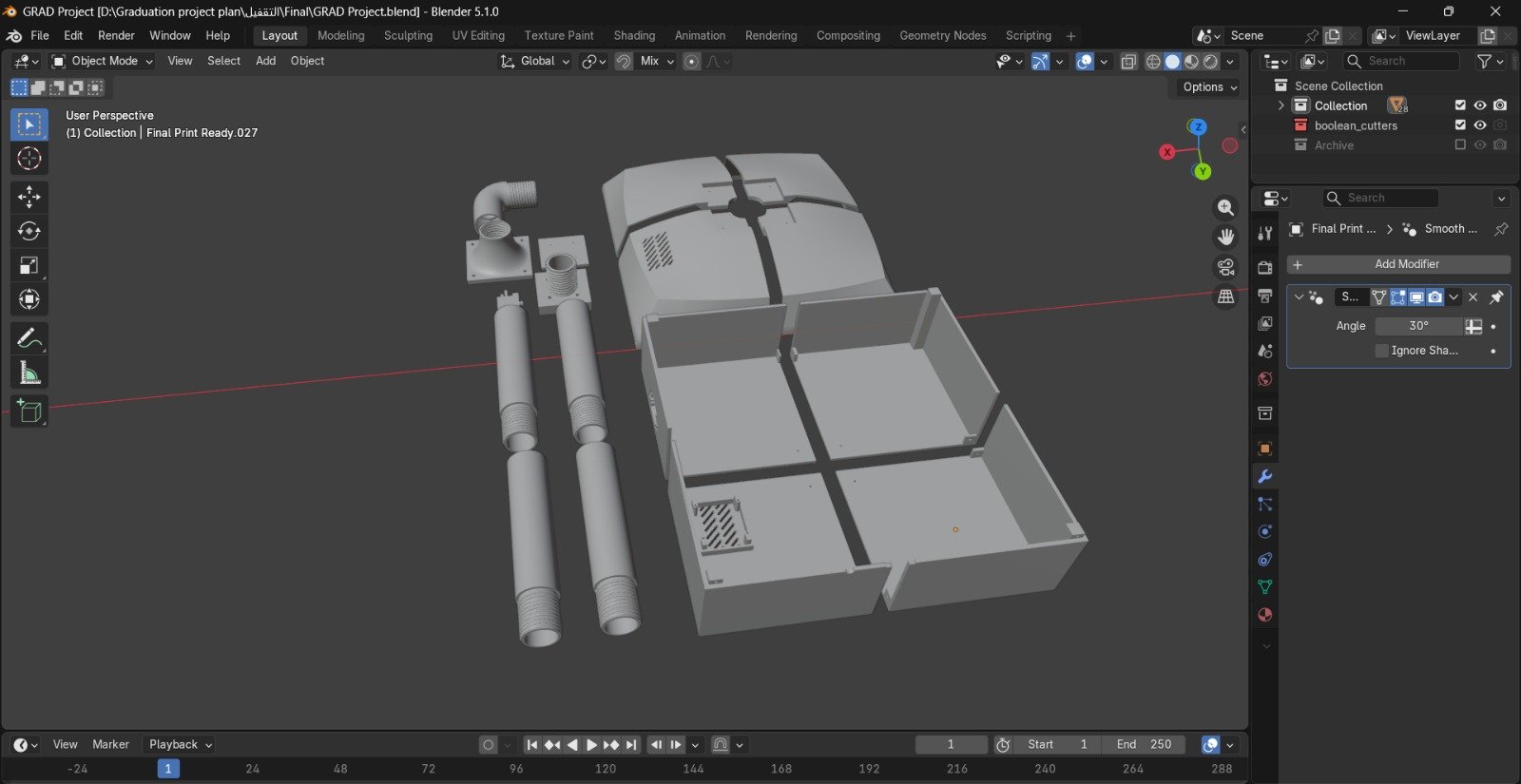
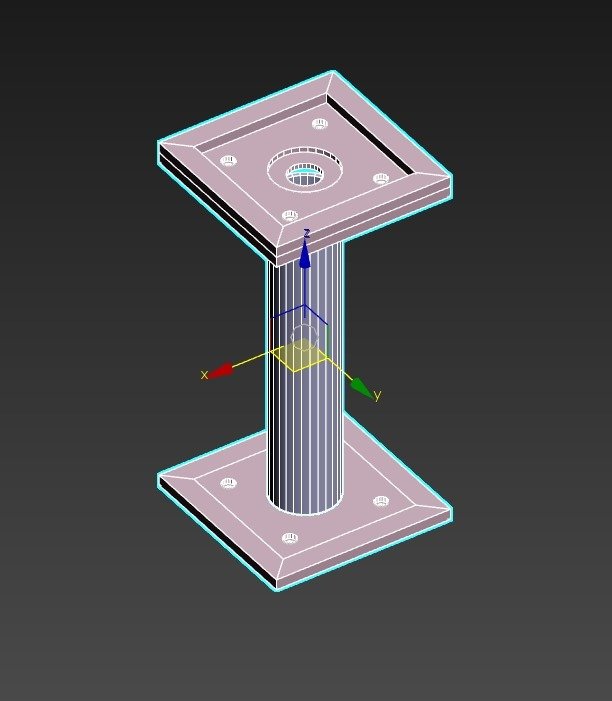
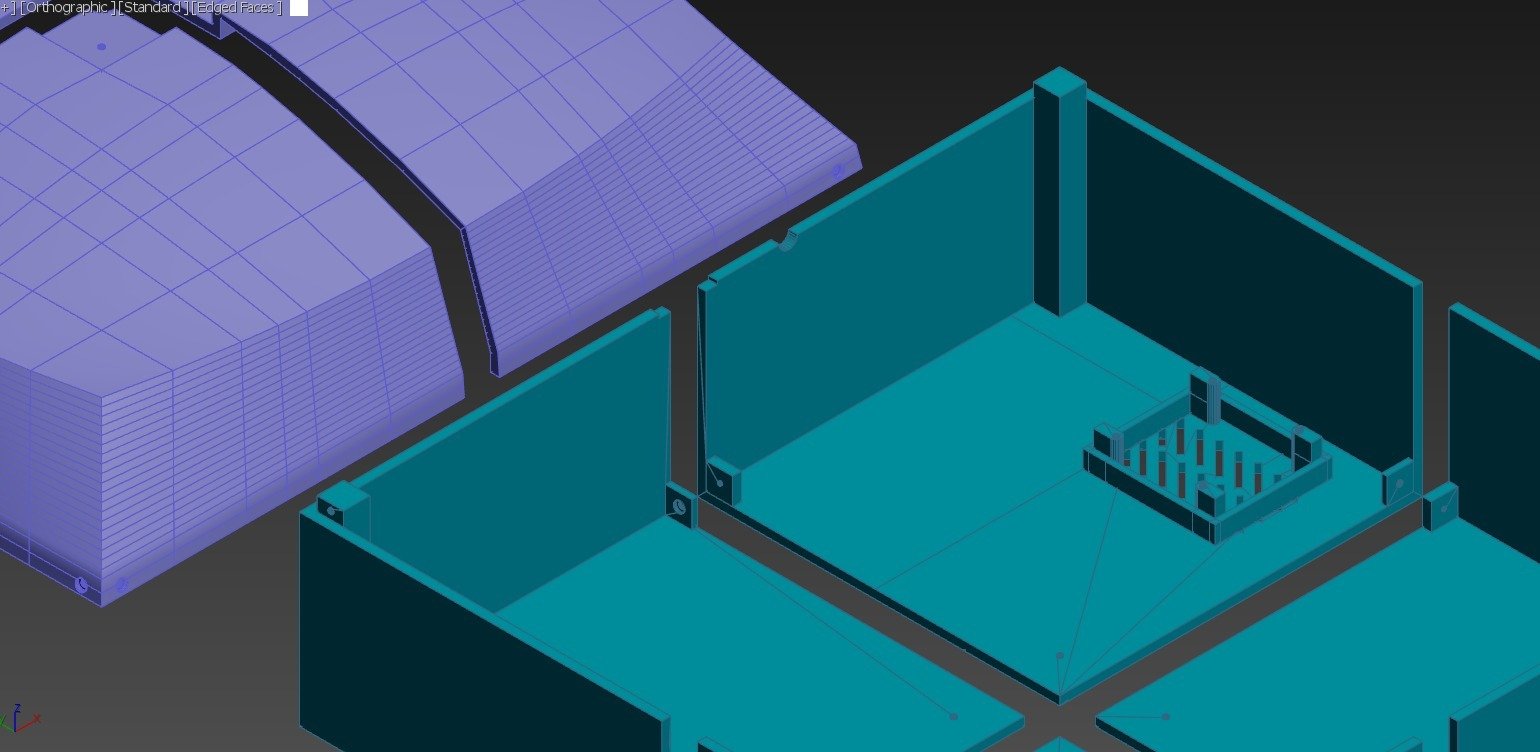
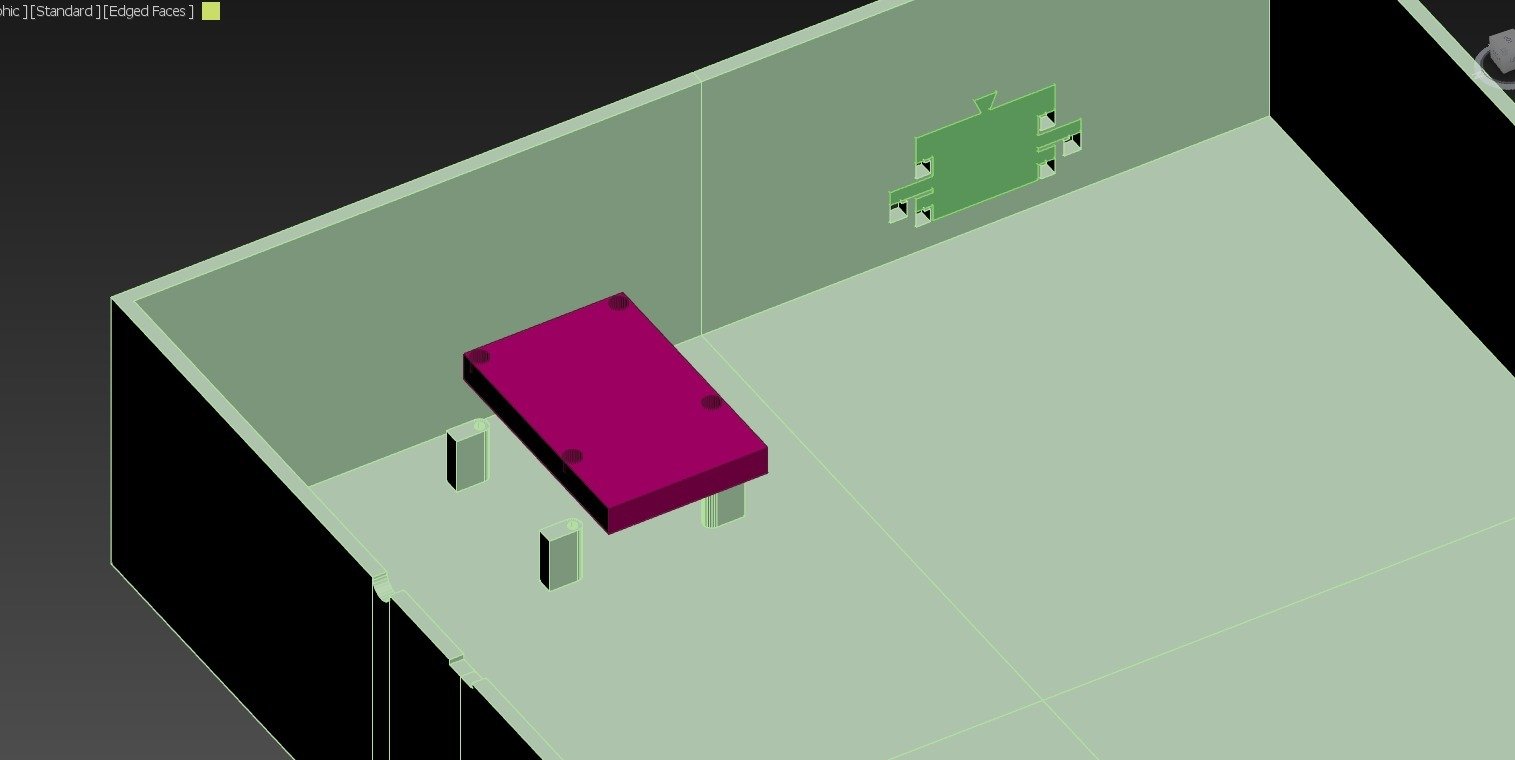
Enclosure design, modular print-ready parts, and assembly studies from the graduation build.
Next
Available for AI engineering engagements in Canada, Saudi Arabia, and worldwide.